
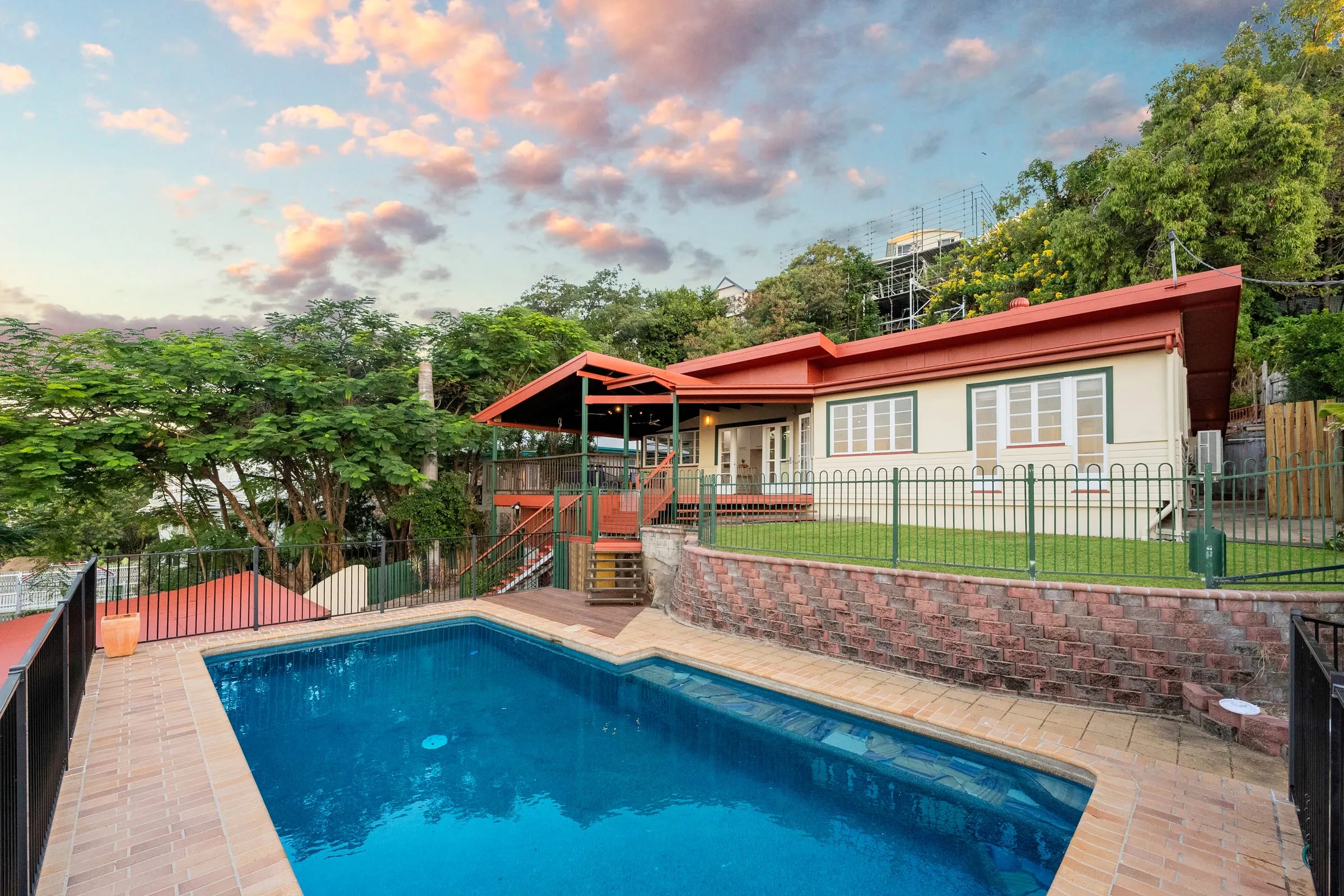
Pools are popular with Townsville tenants, and they come with strict safety rules. A rental with a regulated pool can’t be leased without a current pool safety certificate. This guide draws on the QBCC’s leasing rules and the RTA’s pool page.
Before you lease
For a house or townhouse with a non-shared pool, you must not enter a tenancy agreement unless a pool safety certificate is in effect.
- Certificates are issued by a licensed pool safety inspector.
- For non-shared pools, a certificate is valid for two years.
- A copy should be given to the tenant with the agreement. The entry condition report has a box to confirm this.
Shared pools
For a unit or townhouse complex with a shared pool, the pool owner (usually the body corporate) is responsible for the certificate and must share it with individual owners. Certificates for shared pools are valid for one year.
Check the register
You can check whether a pool has a current certificate on the QBCC’s free pool safety register. Pools must be registered with the QBCC, and owners can be fined if they aren’t.
If the pool fails
If an inspector finds the pool doesn’t comply, they can issue a pool safety nonconformity notice. The owner then has three months to fix the problems and arrange a re-inspection, or the inspector must notify the council. Meanwhile, a tenant may be able to negotiate a rent reduction.
Maintenance during the tenancy
The owner is responsible for keeping the pool and its fittings in good condition and safe. Tenants usually handle everyday upkeep, such as clearing leaves and keeping the water clean, if the special terms say so. A tenant can’t be required to use a particular pool company, and tenants must keep pool gates closed and the barrier clear of climbable objects.
Water for the pool
Topping up a pool can use a lot of water. It’s worth agreeing up front how much pool water is expected and who pays for it, and writing that into the tenancy agreement. See our guide to charging tenants for water.